
Most homeowners will face the prospect of roof replacement at some point, an undertaking that’s crucial for preserving the integrity and value of a home. Knowing when to invest in a new roof is vital to prevent costly damage to your property. roof replacement
While the thought of roof replacement can be daunting, understanding the steps involved in selecting materials, recognizing the signs of wear, and planning the renovation can make the process more manageable. In this article, we will guide you through the essentials of executing a successful roof replacement project.
Recognizing Signs That Your Roof Needs Replacement
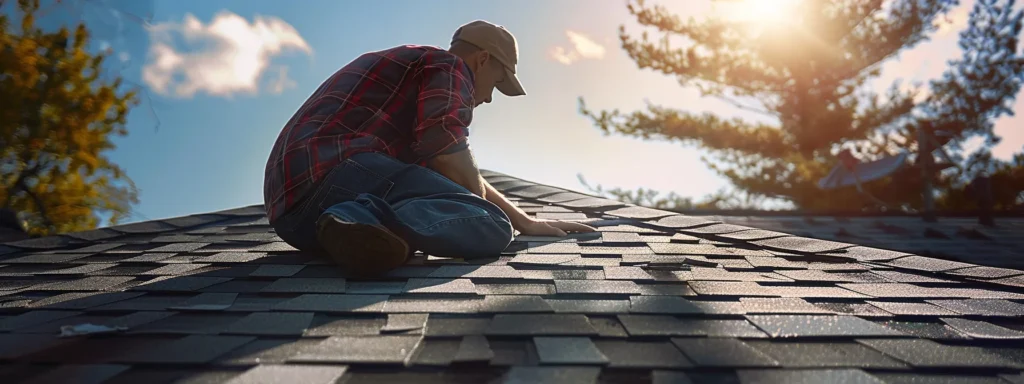
Identifying when your roof requires replacement is the first critical step towards maintaining a secure and durable home. Common indicators include shingles that are missing, cracked, or curling, as well as the presence of leaks or daylight piercing through the attic space.
If you notice a significant amount of shingle granules in your gutters, it’s a tell-tale sign that your roof is losing its protective layer and may warrant a closer look by a professional. Furthermore, if your roof is approaching or has surpassed 20 years in age, it’s time to consider a roof inspection.
For accurate diagnosis, it’s recommended to hire a roofing expert. They can assess the state of your roof and advise on whether repair will suffice or if complete replacement is the prudent choice. Proactive action can save you from more extensive and costly repairs down the line.
Evaluating Roofing Materials for Your Next Roof Replacement
Choosing the right materials is essential when planning a roof replacement. Asphalt shingles are popular due to their cost-effectiveness and ease of installation, while metal roofing is valued for its longevity and energy efficiency.
When evaluating materials, it’s important to weigh factors such as climate suitability, aesthetic preferences, and budget. Some materials, like slate, offer a distinctive appearance and exceptional durability but come with a higher price tag and require expert installation. On the other hand, synthetic roofing options can provide a similar look at a more affordable cost and with less maintenance.
Your choice of material will significantly affect the overall cost, performance, and lifespan of your new roof. It is advisable to consult with a roofing professional who can recommend the best options based on your specific needs and the local environment.
Planning Your Roof Replacement Project: Steps to Consider
Comprehensive planning is crucial for any successful roof replacement project. Start by obtaining multiple quotes from reputable contractors to ensure you get the best service at a fair price. Check their licenses, references, and past work to gauge their expertise.
Next, determine a timeline for the replacement that causes minimal disruption to your daily life. Consider the weather predictions as well; most roofing jobs are best performed in mild, dry weather to avoid complications and delays. It’s also essential to understand local building codes and obtain the necessary permits before work begins.
Communicate with your chosen contractor about waste removal and property protection during the project. A clear and detailed contract should outline the scope of work, materials used, and the warranty offered to protect your investment. Remember, proper planning will lead to a smoother, more efficient roof replacement process.
Roof Replacement and Maintenance: Maximizing Your Investment

Once you’ve invested in a roof replacement, regular maintenance is key to extending its lifespan and maintaining its performance. Inspecting your roof at least twice a year, in the spring and fall, can help you catch and address issues early.
Keep your gutters clean to prevent water damage and inspect the roof after extreme weather events for any potential damage. Regular maintenance checks are an opportunity to ensure that flashing is intact, sealing is effective, and no debris is causing damage.
Engage a professional for annual check-ups to provide expert insight and care for your new roof. Proper maintenance can help avoid premature wear and prolong the life of your roofing system, ensuring that you get the most out of your investment.
Overall, roof replacement is a significant but necessary investment for homeowners. By recognizing the signs that it’s time for a new roof, evaluating materials carefully, planning the replacement thoroughly, and keeping up with maintenance, you can protect your home and enhance its value. A strategic approach to roof replacement, guided by professional advice, will secure your property for years to come.